How to deal with anxiety in the ballet world

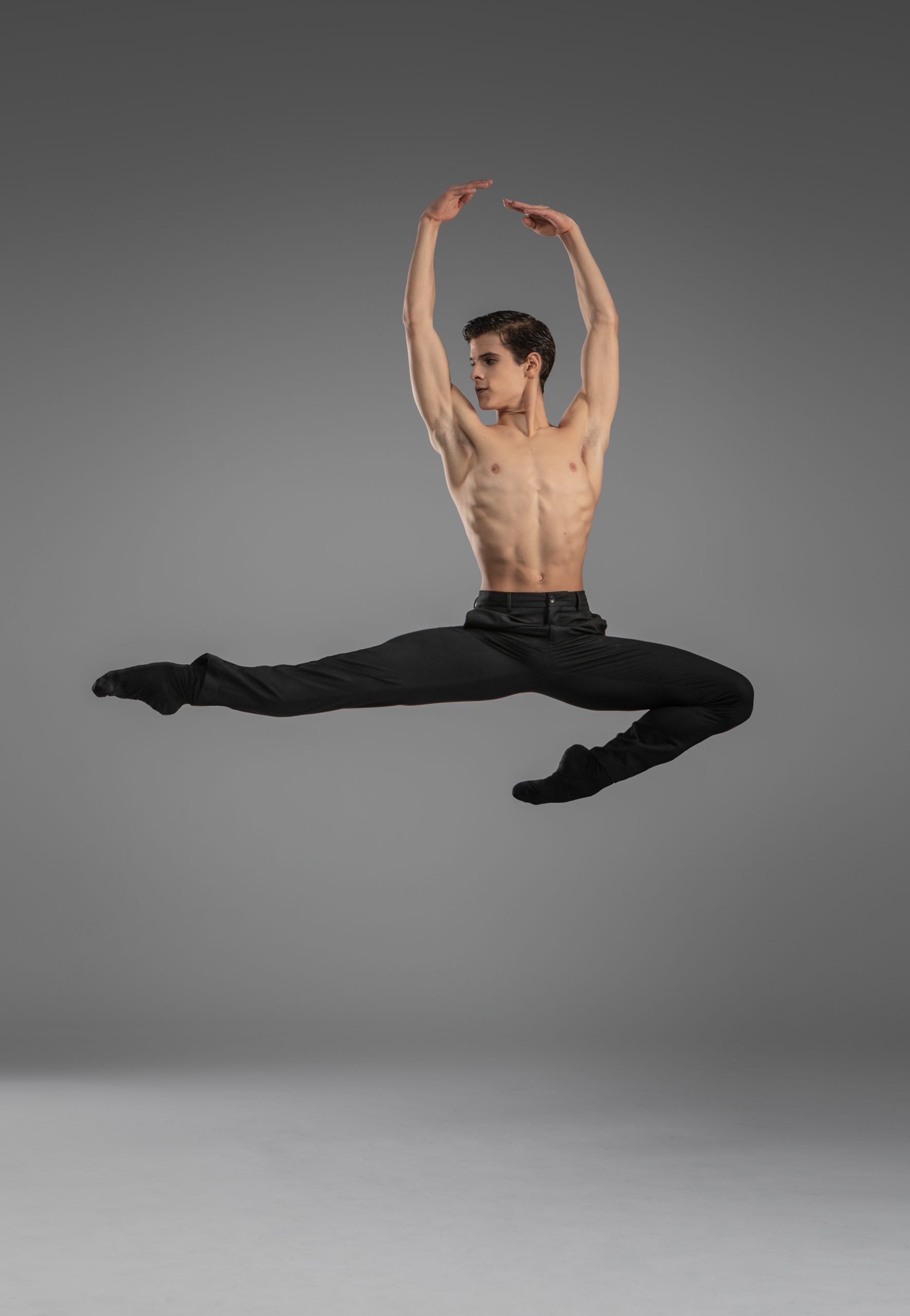
Photo by Bex Singleton for Ballet News
I wrote this feature on dealing with stress & anxiety for my wedding photography blog, but to be honest, the techniques I shared are equally as relevant to ballet dancers, students, educators, parents …. all of us !
I’ll offer 5 options for dealing with stress.
These are not plasters over the problem and they are not tools to cope. They are science-based techniques aimed at fixing the underlying issue/s. I don’t want you to be left to white-knuckle your way through life; I want to offer you suggestions that I hope will resonate enough that you’ll give them a whirl. Life in general, not only ballet, has a habit of throwing us curve balls ! Let’s be prepared!
There’s nothing you can do, or take, that will wipe anxiety away in an instant. So…..
I can personally recommend the first 4. The last one makes the list because my extensive research over several years points towards it being unique and effective at clearing the causes of stress.
It is important that you learn any of these techniques when you’re not stressed. Once you’re familiar with it, you’ll be able to implement the technique if you need to.
Keep an open mind, give one or all of them a chance, and see what happens. You’ll gain the most benefit with some of these techniques if you practice them regularly, for example headspace.
No 1. Meditate with headspace
Yes, meditation; because it’s a game-changer. Why ? Because meditating regularly gives you space, literally, (head) space – by which I mean that the resulting physical changes in your brain produce calmness, and it’s in this space that you can think clearly, become less reactive, less attached to the outcome. Your mind is more comfortable with change and you have greater empathy. All of this helps with wedding planning, when you’re often bringing together a large group of people who don’t always see eye to eye, and paying a lot of money to suppliers for one very important day. Encourage your wedding party to meditate – and the benefits will extend far beyond you. You don’t have to meditate for long, but a daily practice is recommended. Everyone can find 5 minutes. Here’s an 11 minute meditation for stress. I am recommending Headspace, which you can download to your phone or tablet and it’s free for the first 10 days. You should begin to see positive changes quickly, and they build over time, so it makes sense to start now and keep practicing. You’ll build a solid foundation over 30 days and then the contents of the regularly updated app (everything from sleep, cravings, creativity) are available to you. There is so much science behind headspace, which was founded by a former Buddhist monk, Andy Puddicombe.
No 2. SRI
I know. Stick with me! This is a stress reducing practice you can learn very quickly that will help to restore calm when you’re tense. What is Somato Respiratory Integration or SRI ? Most of the time we go about our lives without considering what effect the daily tension or emotional stress is having on us. Eventually we get overwhelmed and frustrated that we don’t know what to do about feeling stressed . SRI teaches you to notice the build-up of stress, whether its cause is physical (repeated movements, or lack of movement), chemical (food, toxins, alcohol) or emotional (conflicts). Stage 1 is simple to practice – watch the video and try it yourself. If you find it beneficial, you can learn the other stages too – there is a series of 12.
No 3. Yoga With Adriene
Adriene Mishler has over 4m subscribers on her YouTube channel, Yoga With Adriene, so I think it’s fair to say that she’s doing something right. Here’s a 32 minute Yoga for Stress Management. There’s a full playlist on YouTube with 17 videos, for dealing with stress, varying in length. Here’s Yoga for Post Traumatic Stress. There are a gazillion yoga teachers. I’m recommending Mishler because I’ve met her, she’s authentic, funny, kind and humble. She puts so much thought into her yoga classes – and humour – that the asana practice of yoga is almost incidental; what matters is the daily practice, to find what feels good (her mantra) and to know that a little goes a long way. In terms of feeling the benefits, it’s more important to practice even for just a few minutes every day than it is to sweat it out for 90 minutes once a week. You’ll feel stronger, more grounded & capable, and you’ll take what you learn on the mat, off the mat. Bonus benefits ! This free practice, timed for Halloween, is a perfect example of all of this.
No 4. NET (& FAST)
Neuro Emotional Technique, or NET, is a science-based technique that identifies and helps you to let go of stress. Sometimes we don’t let go of stress, even when we’re very small. It’s hard to link the stress you’re feeling now with something in your past that you associated as stressful, but that stress response needs to be unstuck. NET practitioners use muscle testing to find unresolved stress and help you to release the stuck patterns. As part of NET, there is a First Aid Stress Tool (FAST) that you can do yourself and that is also good for children. You can download the technique here. IMPORTANT : NET is not therapy. It’s not about talking through your problems and it doesn’t replace talking therapies (see below for one of those). Find a licenced NET practitioner.
No 5. Dr Mcayla Sarno
Dr Mcayla is a brain training and mindset expert. A licenced Psycotherapist, her TEDx talk, Who determines what is real ? gives you a flavour of her unique approach towards the brain. When it comes to training our minds, which we need to do in order to let go of stress, Dr Mcayla focuses on our core beliefs. In this episode of the mind your business podcast, called Stop Surviving & Start Living Dr Mcayla goes into detail about how important our core beliefs are, and how to change them. If you feel that you’d benefit from therapy, this is an option to consider. Dr Mcayla has a myriad ways to help, both online and in person. IMPORTANT : I have no personal experience of either Dr Mcayla or therapy.