Ballet News Reviews | Creative Successful Dyslexic by Margaret Rooke
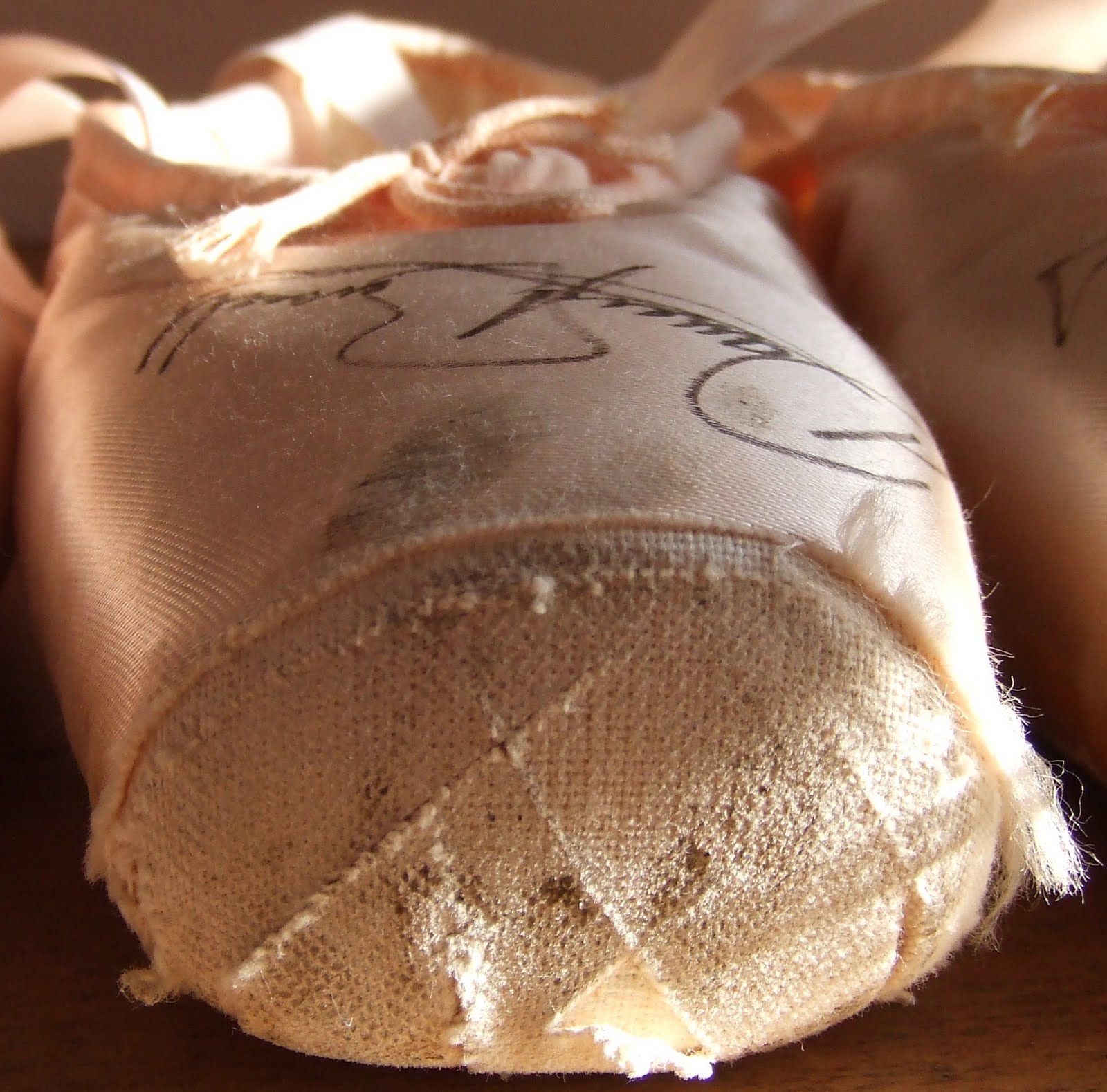
Photograph by Cheryl Angear Photography
This is such a fabulous, pithy book. I’m not dyslexic but the stories from 25 high achievers including Darcey Bussell reveal what a diagnosis dyslexia has meant to them. Yes, there are tough times, but the stories are punchy in the right way with so much positivity and advice – good for anyone!
Richard Branson’s story is a great example of this. He understood his limitations but saw them as positives, learning to delegate and recognising that he saw things that others missed; and that’s been a business advantage.
Mollie King of The Saturdays writes the foreword, and explains how dyslexia still affects her life and how she deals with it. Have you ever wondered how you’d learn lyrics or an autocue if you’re dyslexic ? Of course, it’s possible, but it’s so worthwhile to think about the process for King – the extra time she needs to take to memorise the words as opposed to the other band members who take less time. It takes a strong character not to let that affect your work, and that’s the running theme throughout the book. Some of the celebrities were teased or worse at school. The worst of it seems to be before a diagnosis – and that’s only been happening in recent times. But, you don’t need to be top of the class to succeed. There are other ways. Darcey Bussell was good at sports, which lead to ballet….
There are so many positives. Those with dyslexia have shown in studies that they have good spoken communication, enthusiasm, people skills, sales ability and the ability to delegate as we’ve seen from Richard Branson. Dyslexic’s have shown to be good at deciphering facts from patterns or events and that’s become a very useful tool in business.
Look at it this way : a dyslexic might have great ideas but struggle to write them down. Flip that over – what if you’re great at writing but have no great ideas ?
Photographer David Bailey tells a compelling story and cites Hollywood films as his education. Bailey says that he’s glad his mind works differently, and he says that he loves mistakes, which take you somewhere else. Though he is successful, he finds his word blindness embarrassing and tells a story about going shopping for a girlfriend – Jean Shrimpton – where he was asked to buy a couple of doormats and came back with five or six. When asked why, he said he’d needed to get to a price he could spell on the cheque. Bailey has three children, all dyslexic (it has been shown to run in families) and tells them to do their best at school, find out what they are good at and incorporate that into what they need to learn. He also thinks it’s a good thing that they are dyslexic and says “if dyslexics wrote the IQ tests the smart-arses wouldn’t pass.” Bailey believes that if you have curiosity and spark then you’ll do well.
Darcey Bussell was arty and sporty – she loved gymnastics and was on the boys’ football team, and this helped her enormously although she feels she was probably a nightmare to have in the classroom because she was easily distracted and had a lot of energy. Bussell learned to keep away from people who were cruel about her dyslexia but she was bullied about being behind. Now she sees that as a positive because now she’s gritty and determined and has the strength to succeed. Being supported by her parents gave her a sense that she could cope, though the diagnosis at age 11 was difficult and she felt she’d have been better off not knowing. She felt that with hard work alone she would improve, but this diagnosis meant that her differences were part of her. For Bussell, movement and dance were her escape, and she encourages children to dance, saying, “we know that if a child doesn’t have exercise they dont’ learn as fast. We are meant to move.”
Other contributors covering different walks of life are Zoe Wannamaker, Theo Paphitis, Brian Conley, Charley Boorman, Kenny Logan and Marcus Brigstocke.
[AMAZONPRODUCTS asin=”1849056536″]