Ballet News Reviews | Understanding Exposure
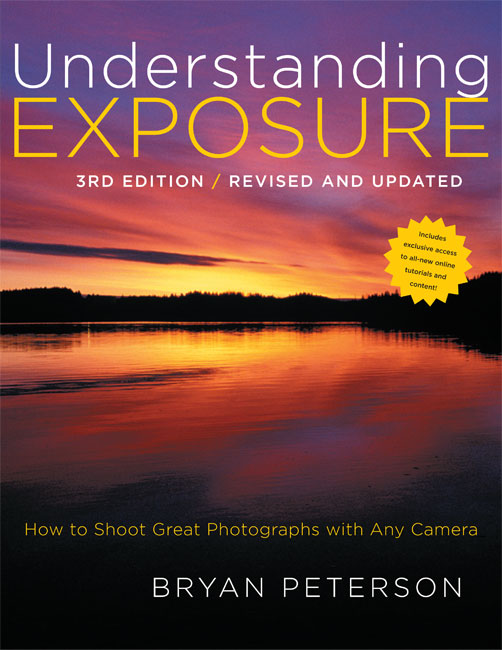
There exists a triptych of photography books that are game-changers. They are best sellers, and so I can’t be alone in finding them revelatory. I’ll review the others in due course but for now I want to concentrate on Bryan Peterson’s Understanding Exposure, which is now on to its 3rd Edition, it’s that good.
Why is it so good ? Because it does what it says on the cover. You will understand exposure; the most fundamental of all photography skills. It’s also a best seller because it’s easy to read. The large pages are filled with photographs to consider, there are exercises you can do that reinforce what you’ve just read, and most of all as you go through the book there is never an assumption that because you’ve read something once you have remembered and understood. Peterson has a knack of repeating something right at the point where you were already wondering what he was getting at, and that’s really helpful. He also has a neat way with analogies – worker bees and paint, specifically.
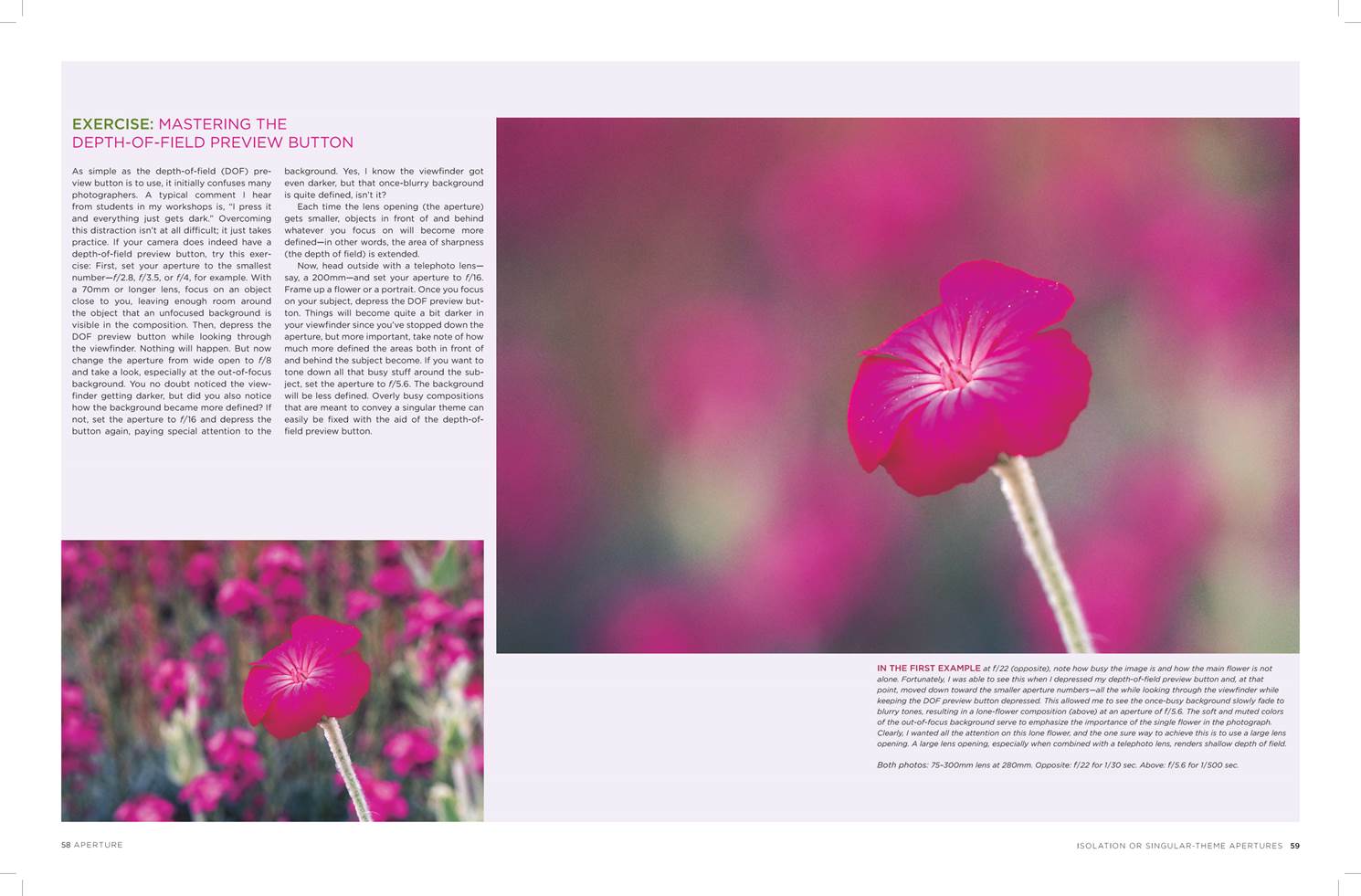
A good proportion of those involved in the ballet industry have an interest in photography. It makes sense; it’s a visual art form. Some go on to work as professional photographers, either remaining in dance or widening their experience to cover portraits or weddings. I’ve written elsewhere about the importance of photography during the rehearsal process and how much it can help with improving a dancer’s technique. Finding a book that will answer your questions and help you progress with photography if you have a limited amount of time, for example if it’s a hobby that fits around your full-time job as a dancer, is valuable, and this is one such book.
Peterson has a unique way of teaching exposure, which means you’ll come across the Who Cares? apertures, The Sky Brothers and Mr Green Jeans. Well, it helps you remember the points made!
For Peterson, light is important but it’s the icing on the cake rather than the cake itself. The cake – the exposure triangle (or as Peterson calls it, The Photographic Triangle) of ISO, aperture and shutter speed are each covered in depth, and so is lighting, flash, HDR, filters, macro and low light photography.
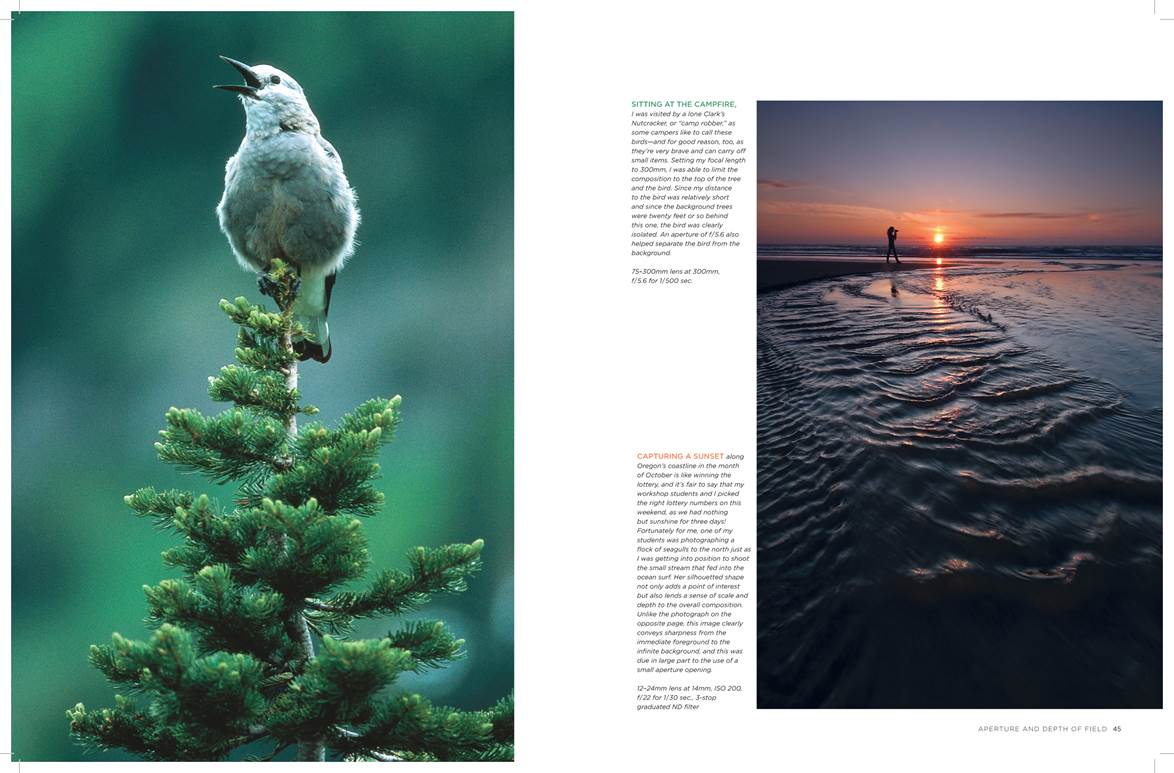
Beyond a ‘correct’ exposure, Peterson shows you how to look at a scene to make a creative exposure by taking control of your settings (most often in manual mode) and utilising your knowledge to make compelling images. Whether you pick your aperture for depth of field, or your shutter speed to imply motion, Peterson talks you through what works – consistently.
That’s why this book is a best seller : you read it and you understand what works.
[AMAZONPRODUCTS asin=”0817439390″]
[AMAZONPRODUCTS asin=”0321966465″]
[AMAZONPRODUCTS asin=”0415719402″]